Can a check valve be installed vertically?
 Emily Phillips
 Check valve can be installed in horizontal or vertical piping runs, with the flow running upward. Mounting for vertical installations is critical.
Can a backflow valve be installed vertically?
There are backflow preventers that can be installed horizontally, vertically (up or down) and other orientations that can make an installation easier. The key point to realize however is that they can only be installed in the orientation that the approval agency has determined they will work in.
Does a non return valve be installed in vertical position?
Not all check or non-return valves will work in a vertical line. In some valves the disc will extend into the pipeline when the valve is fully open. Fitting additional valves next to one another could interfere with the performance of the check valve.
Should check valves be installed vertically or horizontally?
When installing a check valve, a horizontal line is always preferred, because it takes gravity out of the equation.
Does a foot valve have to be vertical?
The foot valve shall be installed a maximum of 25 feet vertical distance below the suction pipe of the pump inlet. The foot valve screen shall not be supported at the bottom of tank or well for best operation efficiencies. In addition the foot valve screen shall be a minimum .
Can foot valve be installed horizontally?
The flapper type check & foot valves work using gravity. They use a disk and rubber or leather flapper attached at one side of the opening. These are generally installed vertically but can be installed horizontally as long as the flapper closes down.
What is a vertical check valve?
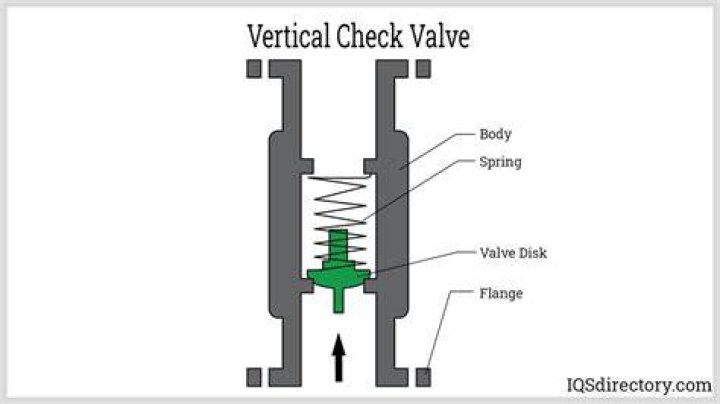
The H-700 Vertical Check Valve is designed for vertical flow (not suitable for down-flow applications). The disc shaft is fully guided to insure proper alignment between disc and seat. The valve has an angled body design to provide full flow area, and has a two-piece body to facilitate maintenance.
How does a vertical check valve work?
A lift-check valve is a check valve in which the disc, sometimes called a lift, can be lifted up off its seat by higher pressure of inlet or upstream fluid to allow flow to the outlet or downstream side. A guide keeps motion of the disc on a vertical line, so the valve can later reseat properly.
Should check valves be horizontal?
Not all styles of check valves function properly or are suitable for vertical flow directions. When installing a check valve, a horizontal line is always preferred, because it takes gravity out of the equation.
Can I use a check valve instead of a foot valve?
We recommend using only one check valve or foot valve in a pump system. A foot valve should be at the inlet to the suction line of turbine, centrifugal, and jet pumps. If an additional check valve is required, it should be placed after the pressure tank to allow the pump and discharge pipe to remain pressurized.
Can check valves be installed vertically?
Check valves are normally installed horizontally but swing check, lift check and dual plate check valves can all be installed vertically in exceptional cases. The latter application should be mounted with the flow going upwards and with very good control of the head in the system.
What is a horizontal check valve?
Horizontal lift check valves are a non return optimum control for conditions where pulsating action in line may cause excessive wear in valves such swing check type. They are suitable for installation in horizontal o vertical lines with upward flow, and recommended in cases of high flow speed.
What is lift check valve?
A lift-check valve is a check valve in which the disc, sometimes called a lift, can be lifted up off its seat by higher pressure of inlet or upstream fluid to allow flow to the outlet or downstream side. A guide keeps motion of the disc on a vertical line, so the valve can later reseat properly.
What is a swing check valve?
A swing check valve or tilting disc check valve is a check valve in which the disc, the movable part to block the flow, swings on a hinge or trunnion, either onto the seat to block reverse flow or off the seat to allow forward flow.


