Is it better to take ubiquinol or ubiquinone?
 Isabella Floyd
 The primary functions are to relay electrons for ATP production in the electron transport chain and to act as an important lipophilic antioxidant. Ubiquinone, the oxidized form of CoQ10, is commonly formulated in commercial supplements, and it must be reduced to ubiquinol to exert CoQ10’s functions after consumption.
What is the difference between CoQ10 ubiquinol and ubiquinone?
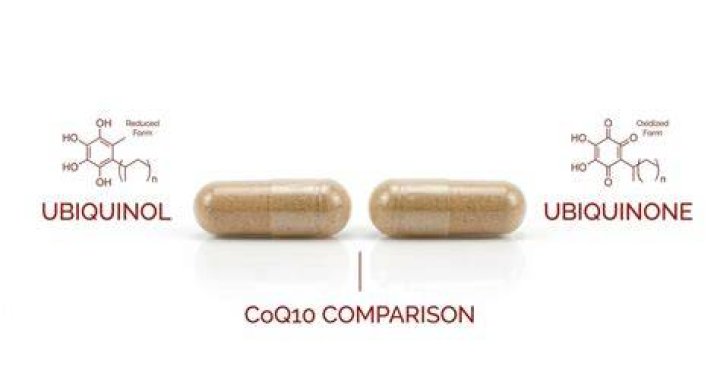
Both ubiquinol and ubiquinone are true forms of CoQ10, and the terms are often used interchangeably. From a chemistry standpoint, ubiquinol is the reduced form of CoQ10, whereas ubiquinone is the oxidized form. When you take a ubiquinone supplement, your body converts it to ubiquinol and back again.
Which CoQ10 is best absorbed?
ubiquinol
Most heart-vitamin manufacturers promote the ubiquinol form, telling consumers it’s the best coenzyme Q10 supplement because it’s what your body makes naturally. What’s more, the biggest claim about ubiquinol’s benefits is that it can be absorbed up to eight times better than other forms of CoQ10.
How much CoQ10 Can your body absorb?
The Importance of Coenzyme Q10 Absorption Factors such as age, cholesterol level, disease, exercise regimen, gender, muscle mass, and race can change the plasma CoQ10 concentration such that the normal range can extend from 0.5 to 1.9 micrograms per milliliter (Miles 2003).
Can you take both ubiquinol and ubiquinone?
Ironically, CoQ10 shifts between its ubiquinone and ubiquinol form in a continuous cycle inside the body. This is all part of CoQ10’s role in biology. So when you take ubiquinol it shifts to ubiquinone and vice versa. It possible makes no difference in what form you take the substance.
How does ubiquinone convert to ubiquinol?
Once the ubiquinone has passed from the intestinal absorption cells into the lymph, it converts back to the ubiquinol form. It passes from the lymph to the blood in the form of ubiquinol. There are two conversions in the body from the time the ubiquinol is swallowed until it enters the blood circulation.
Is ubiquinol reduced ubiquinone?
Molecular aspects Ubiquinol is a benzoquinol and is the reduced product of ubiquinone also called coenzyme Q10. Its tail consists of 10 isoprene units. The reduction of ubiquinone to ubiquinol occurs in Complexes I & II in the electron transfer chain.
Is 300 mg of CoQ10 too much?
Typically, 90–200 mg of CoQ10 per day are recommended, though some conditions may require higher dosages of 300–600 mg. CoQ10 is a relatively well-tolerated and safe supplement that may benefit a wide variety of people looking for a natural way to boost health.
Is ubiquinone the same as Ubidecarenone?
[Note: Ubiquinone and Ubidecarenone are dif- ferent names for the same substance— CoQ10. Ubiquinone is a generic name. Ubidecarenone is the official name in the United States Pharmacopeia (USP)]. However, it is ubiquinol that provides virtually all of benefits associated with CoQ10.
Which is better CoQ10 or ubiquinol?
Ubiquinol CoQ10 is better absorbed than conventional CoQ10 and helps maintain a healthy balance of Coenzyme Q10 in the body.10 11. Also, because Ubiquinol is the preferred form of CoQ10 in the body, it is better than conventional CoQ10 for your heart and vascular health.
What is the difference between CoQ10 and ubiquinol?
This fact alone makes ubiquinol the form of CoQ10 that protects against toxic oxidative reactions in the body. The chemical difference between ubiquinone and ubiquinol is that the ubiquinol compound contains two hydroxyl groups. These two hydroxyl groups enable ubiquinol to be more “hydrophilic” than ubiquinone, and thus much easier to assimilate.
Is ubiquinol better than CoQ10?
According to “The Encyclopedia of Natural Medicine,” ubiquinol is easier to absorb than CoQ10. Suzy Cohen, RPh, author of “Diabetes Without Drugs: The 5-Step Program to Control Blood Sugar Naturally,” recommends ubiquinol if you are over 30, or have heart disease or acid reflux, but CoQ10 is acceptable if you are in good health.
What are the health benefits of ubiquinol?
Boosts the immune system. Uniquinol has unique elements that reduce the progression of free radical radicals,which increase your risk of developing diseases like flu and viral infections.


