What kind of anesthesia is used for a nephrectomy?
 Daniel Hoffman
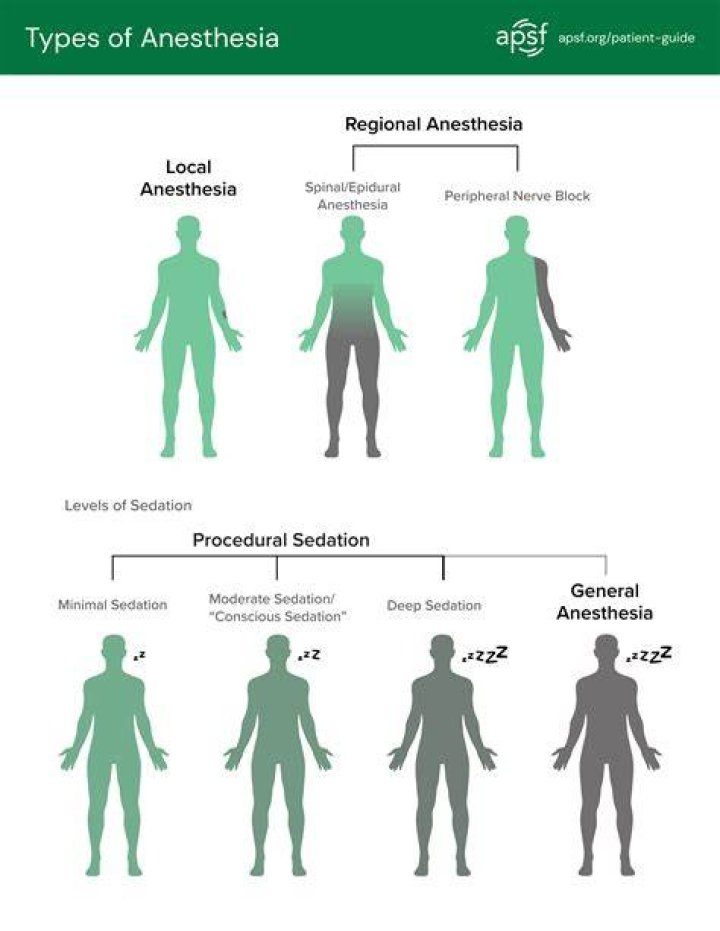
 Open Radical Nephrectomy The procedure uses general anesthesia and we encourage patients to consider an epidural anesthetic for pain control. Patients are placed either on their side or flat on their back.
Can you have bilateral nephrectomy?
Bilateral nephrectomy is the surgical removal of both kidneys. There are two types of nephrectomy procedures: Partial nephrectomy, where a surgeon removes only the diseased portion of the kidney. You may have an open partial nephrectomy or a laparoscopic/robotic partial nephrectomy.
What drugs are used in a nephrectomy?
Sorafenib and sunitinib are vascular endothelial growth factor receptor inhibitors that are now FDA-approved for treating metastatic RCC. They have demonstrated promising initial results and can be used before or after radical nephrectomy, depending on the patient’s general health.
How the procedure is done in nephrectomy?
The urologic surgeon may perform a nephrectomy through a single incision in the abdomen or side (open nephrectomy) or through a series of small incisions in the abdomen using a camera and small instruments (laparoscopic nephrectomy). In some cases, these laparoscopic procedures are performed using a robotic system.
Is a nephrectomy an elective surgery?
Elective: This surgery is never truly elective, since the majority of nephrectomies are for removal of renal tumors and should be performed as soon as the patient’s condition is optimized.
How is a bilateral nephrectomy done?
If only the kidneys are to be removed, bilateral nephrectomy is accomplished through a long midline incision. The objective is to take both kidneys with the full length of the renal artery and vein, preferably on aortic and vena caval cuffs.
What happens if you have both kidneys removed?
If you have both kidneys completely removed, you will not make any urine. You will need to have kidney dialysis. This is a way of getting rid of waste products and excess water that the kidneys normally filter out of your blood. Dialysis means you can lead a more or less normal life without a working kidney.
Is nephrectomy a high risk surgery?
Nephrectomy is generally a safe procedure. But as with any surgery, nephrectomy carries a potential risk of complications, such as: Bleeding. Infection.
Is nephrectomy a major surgery?
A nephrectomy is a major surgery to remove all or part of your kidney. The kidneys are two small, bean-shaped organs in the abdomen. They filter water and waste products from your blood.
How much water should you drink after a nephrectomy?
Drink 4 to 8 glasses of water or liquids a day, unless you are told otherwise.
Are patients conscious during general anesthesia?
General Anesthesia Normally delivered through a combination of inhaled gasses and intravenous medications, general anesthesia causes patients to lose consciousness, and remain unable to feel any pain during the surgical procedure.
Is anesthesia risky for a COPD patient?
A patient with COPD requiring a general anaesthetic is likely to be at risk of haemodynamic compromise on induction of anaesthesia and initiation of IPPV. Placement of an arterial catheter should be considered for both beat-to-beat blood pressure monitoring and for repeated blood gas analysis.
Can the surgical patient hear under anesthesia?
The answer is an unequivocal “yes.” Patients awaken from surgery every day reporting that they remember conversations that they heard under anesthesia and they frequently report that they heard O.R. sounds related to drilling, hammering and sawing. The actions take place during joint replacements and other such surgeries.
What is the anesthesia procedure?
General anesthesia is an anesthetic used to induce unconsciousness during surgery. The medicine is either inhaled through a breathing mask or tube, or given through an intravenous (IV) line. A breathing tube may be inserted into the windpipe to maintain proper breathing during surgery.


